Integrated water service operators and the role of Debt Capital Markets in supporting growth and sustainability
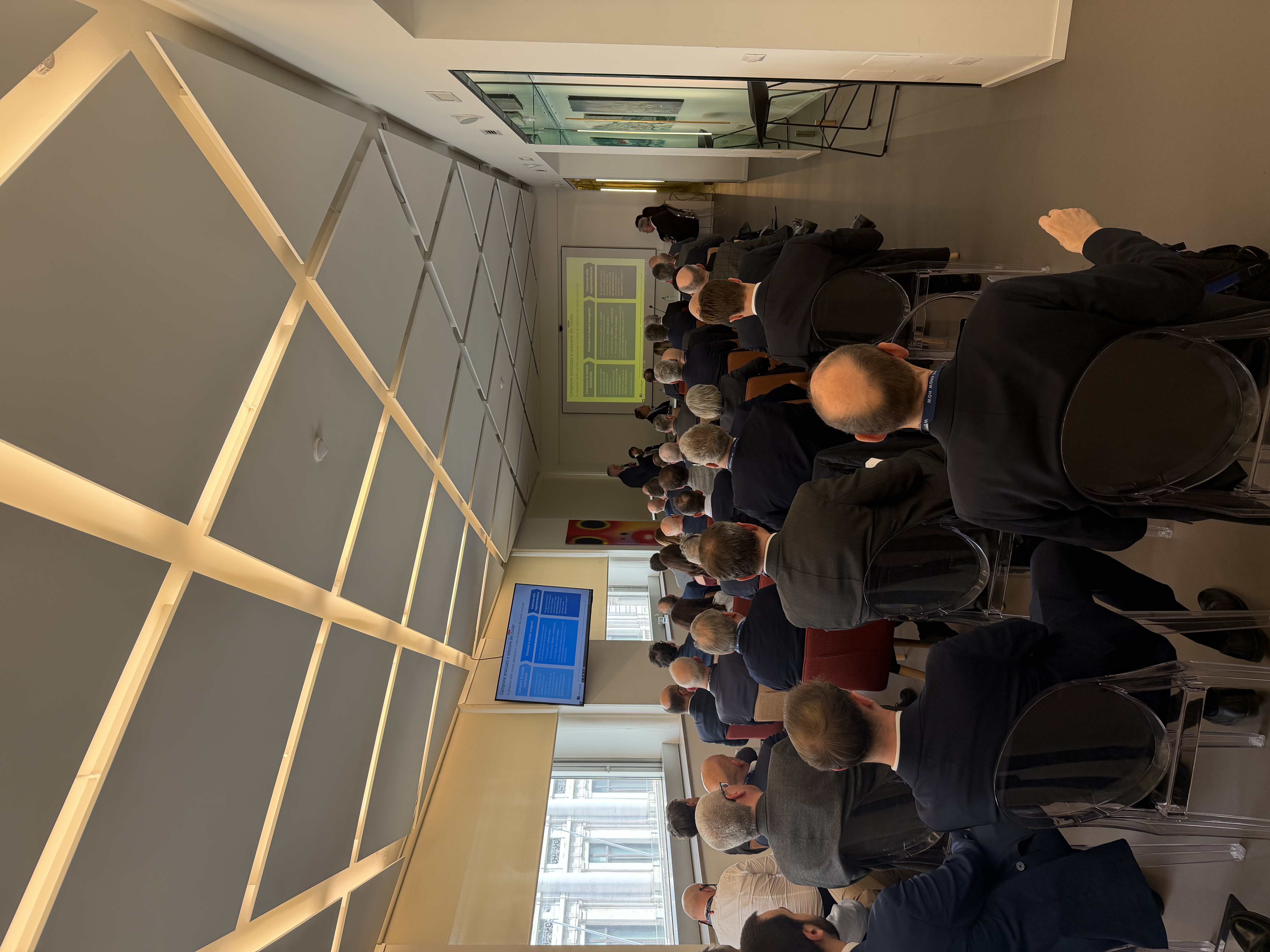
EQUITA, in collaboration with Utiliteam, hosted a discussion focused on the role of Debt Capital Markets in supporting the development of the Italian water sector, in a context characterized by increasing investment needs and a gradual reduction in public funding.
The initiative brought together industry operators, institutions and investors to explore the key challenges facing the sector, starting from medium- to long-term infrastructure requirements and the implications of the gradual phase-out of PNRR-related funding.
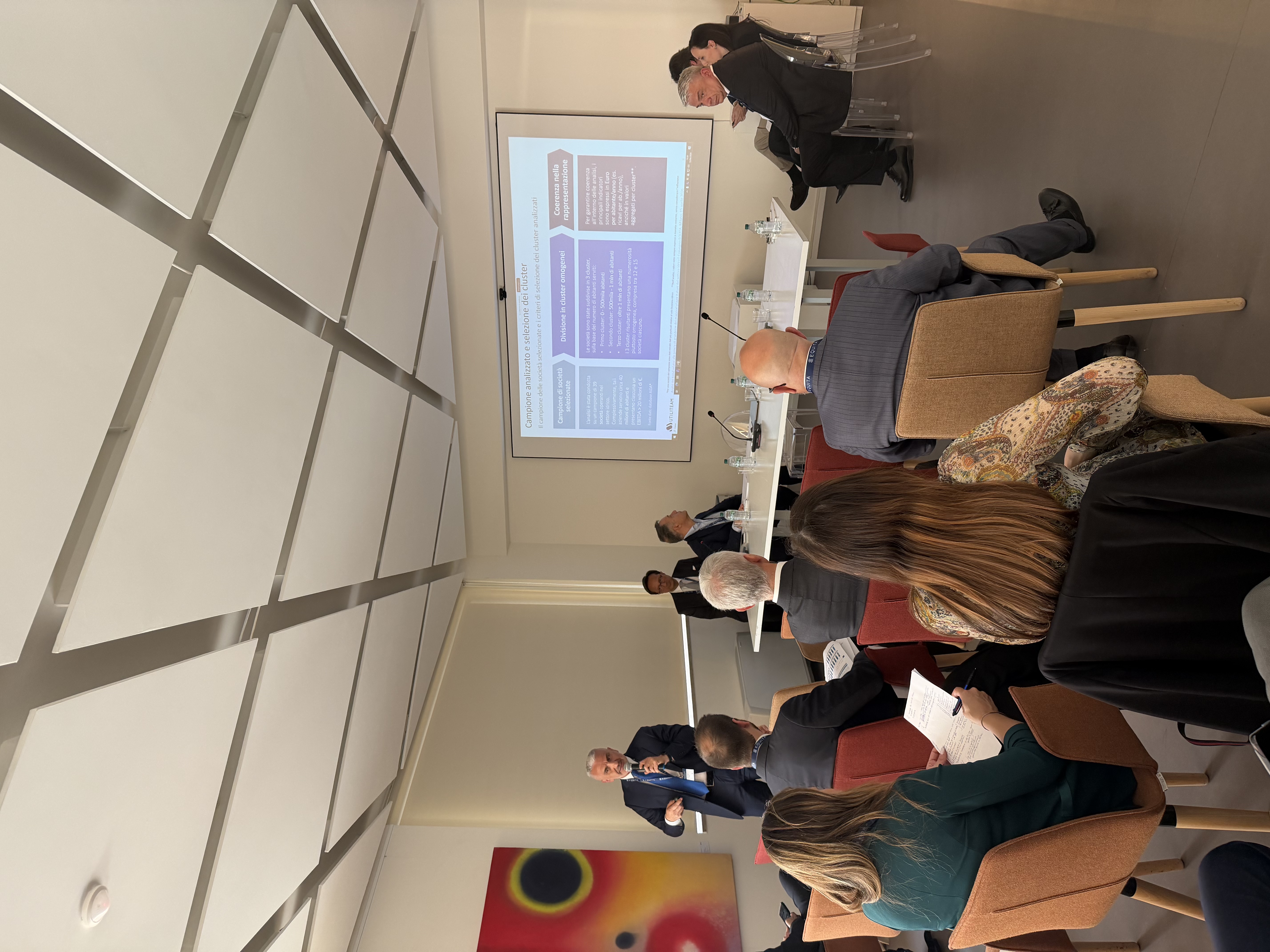
At the core of the discussion was the need to sustain significant investment levels – estimated at around €100 per capita per year over the medium term – and the resulting financial dynamics for operators. The analysis presented by Utiliteam highlights how maintaining such investment levels would lead to a progressive increase in leverage and indebtedness, making access to alternative sources of capital and capital markets increasingly important.
In this context, Debt Capital Markets emerge as a key enabler to support the sector’s growth, facilitating access to private capital while contributing to broader sustainability and infrastructure development objectives.

Panels and key discussion topics
The initiative featured three in-depth sessions, each focusing on specific financing tools and perspectives for water utilities.
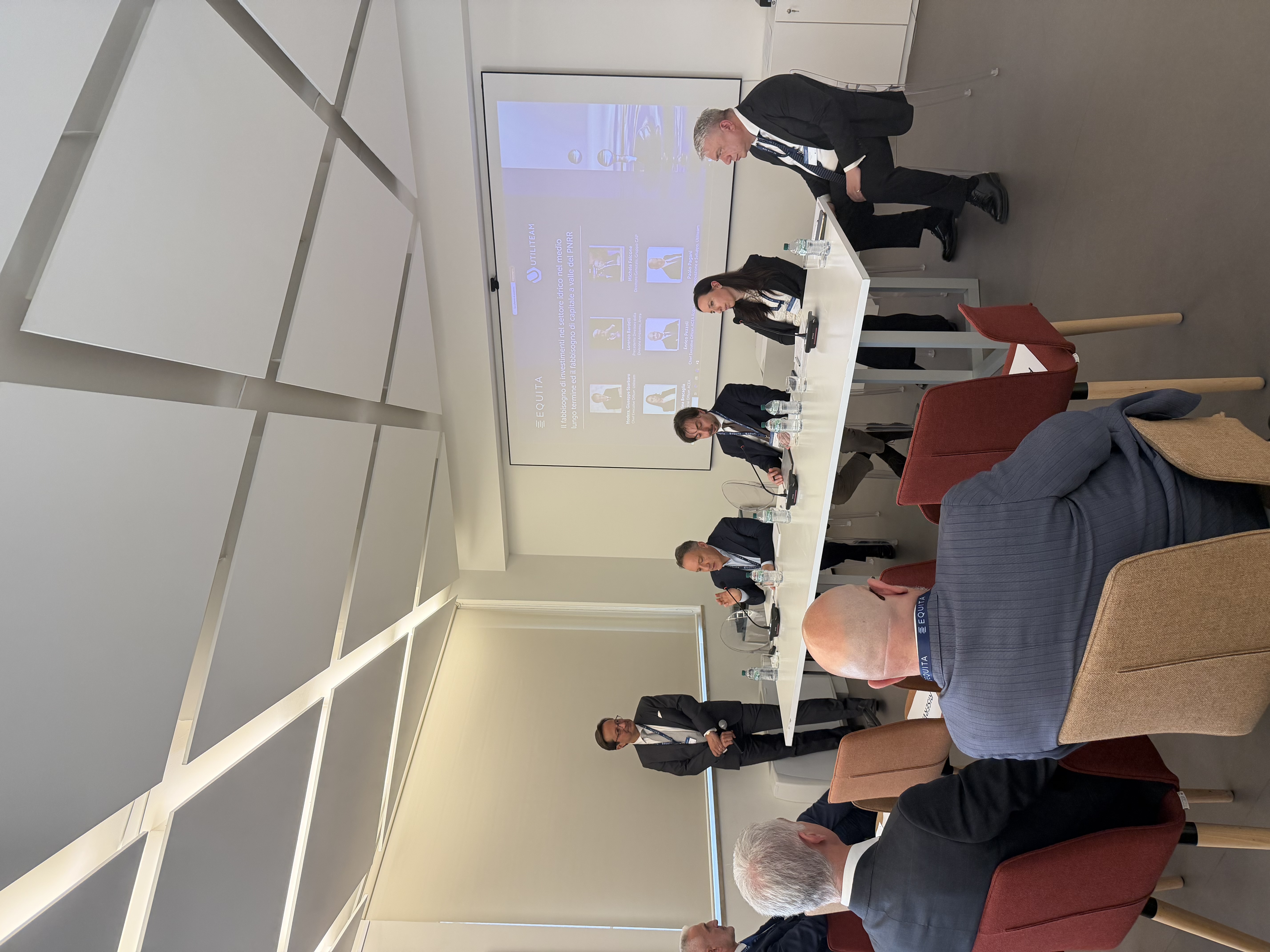
The first panel, titled “Investment needs in the water sector over the medium to long term and capital requirements following the PNRR”, explored the regulatory framework and investment outlook for the sector. Based on an analysis of a representative sample of Italian operators, the discussion highlighted the need to sustain long-term investment levels, with particular attention to the financial sustainability of business plans.
During the session, a dedicated analysis on the sustainability of investments in the water sector was also presented, based on historical data from a broad sample of operators. The study assessed the long-term sustainability of investment levels of around €100 per capita per year, considering different tariff evolution scenarios characterized by a gradual increase up to predefined threshold levels.
These simulations, developed with a prudent approach and for purely analytical purposes, show that maintaining high levels of investment requires a careful balance between tariff dynamics and access to external funding sources, especially in a context where many operators believe that actual infrastructure needs may exceed the assumptions considered.
The discussion also highlighted the central role of regulation in supporting the development of the sector: in recent years, a clear and stable regulatory framework has significantly contributed to attracting both public and private capital, while ensuring visibility on the financial sustainability of investments.
There was broad consensus on the need to continue along this path, complementing tariff-based mechanisms with additional system-level tools – including regulatory and legislative measures – capable of supporting the required investments, avoiding an excessive burden on tariffs and promoting a more balanced distribution of costs across the value chain.
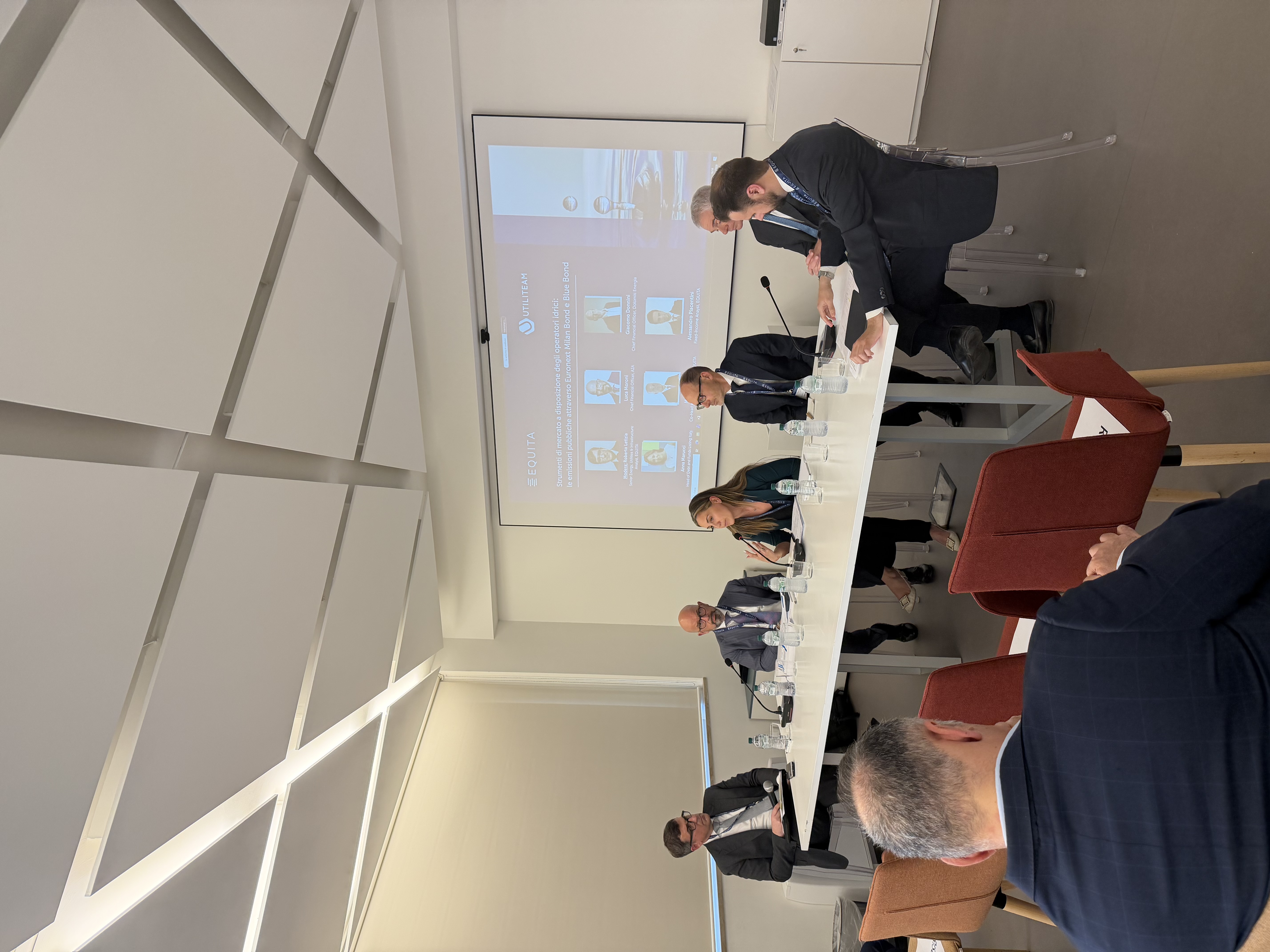
The second panel, titled “Market instruments available to water operators: public bond issuances through Euronext Milan Bond and Blue Bond”, focused on opportunities offered by public debt capital markets, with particular attention to listed bond issuances and sustainability-linked instruments.
The discussion highlighted how access to capital markets represents a strategic lever for utility operators, enabling diversification of funding sources, increased visibility and a stronger credit profile. Particular focus was given to fixed income market trends, regulatory developments and the growing importance of ESG criteria.
The panel also examined real-life issuance experiences, including Green Bonds and the more recent Blue Bonds, outlining their benefits, operational complexities and investor reception.
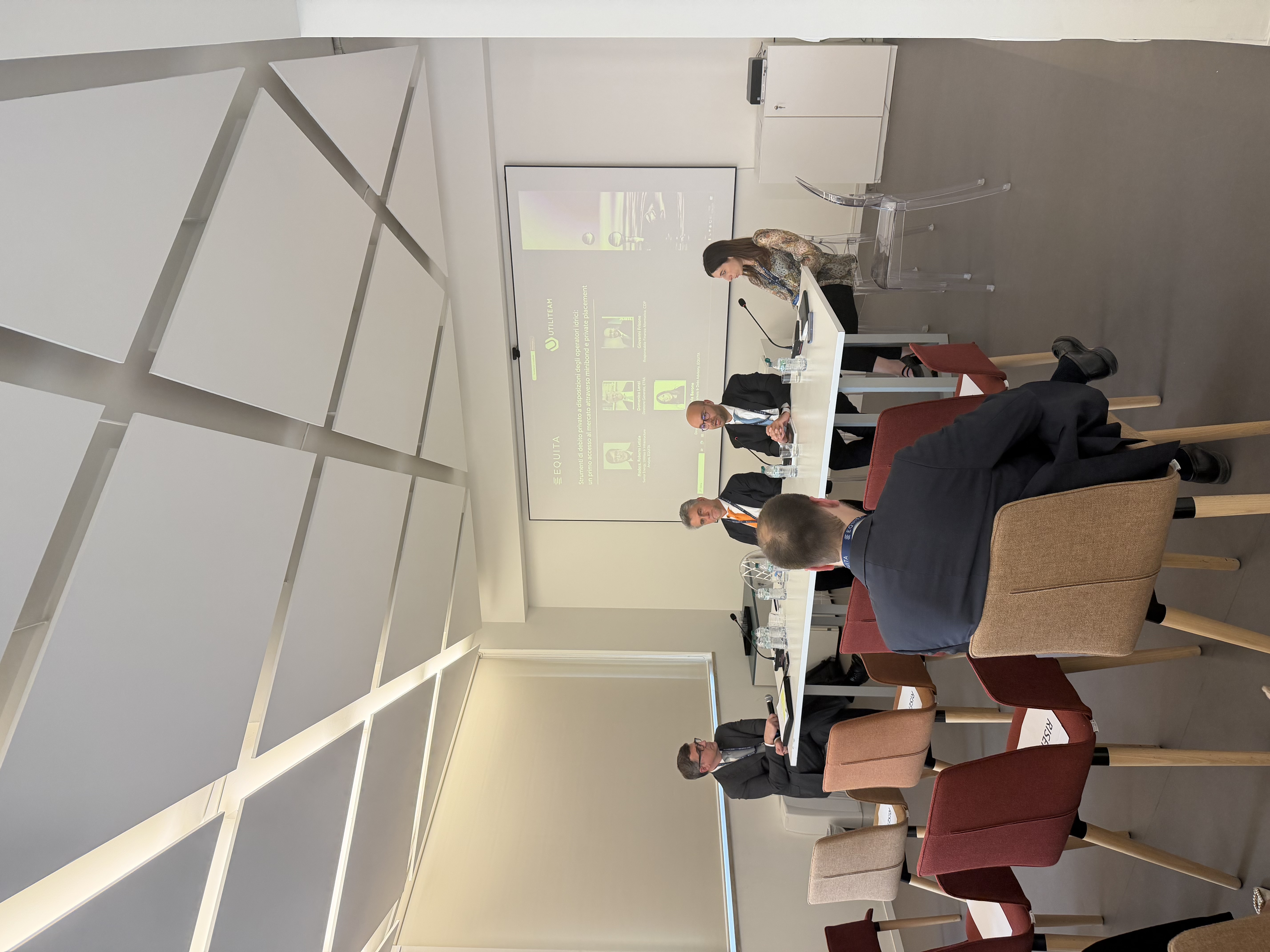
The third panel, titled “Private debt instruments available to water operators: first access to capital markets through minibonds and private placements”, focused on private debt solutions as a pathway for first-time access to capital markets, particularly for mid-sized operators.
Minibonds and private placements were presented as flexible instruments capable of supporting investment plans, offering an alternative to traditional bank financing. The discussion also highlighted the key role of institutions such as Cassa Depositi e Prestiti in catalyzing private capital and supporting companies throughout their market access journey.
In addition, the panel addressed the operational and preparatory steps required to successfully execute a bond issuance – including governance, financial and regulatory reporting – as well as the value added by experienced financial advisors in guiding companies through the process.
More on the Event